We live in a world increasingly shaped by AI, automated agents, bots and digital advertising ecosystems where distinguishing genuine human attention from automated activity isn't always straightforward.
But there's one place where something very real still happens every day.
The physical store.
Real people. Real products. Real purchasing decisions.
And retailers have something else that makes this environment particularly interesting: their own customer relationships, first-party data and direct connections with the brands whose products they sell.
After more than 15 years in digital signage, I find it remarkable how much of this opportunity remains untapped.
Especially now.
Retailers are under pressure. Margins are squeezed, consumers are more price-sensitive, and finding new sources of profitable growth is becoming harder.
Yet many retailers remain hesitant to turn these existing assets into a serious in-store retail media business.
I understand why. But I also think we need to challenge that hesitation.
500 Stores. 500 Different Opportunities.
Consider a retailer with 500 stores.
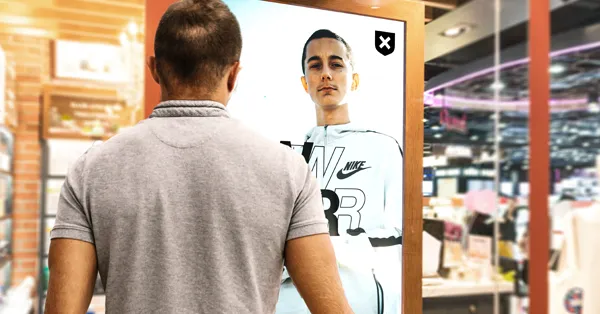
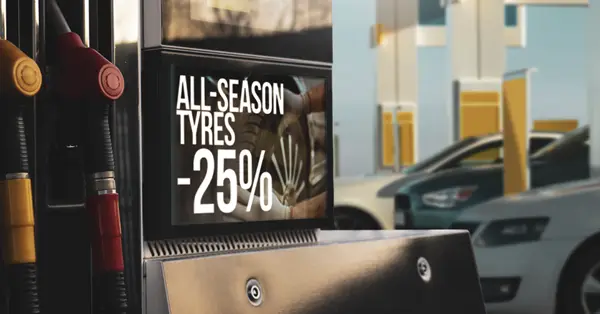
From a digital signage perspective, that's an established network supporting customer experience, sales, communication and content delivery.
From a retail media perspective, it's also an opportunity to create commercially relevant store groups based on shopping behaviour, location, product demand and other characteristics.
Many retailers already operate digital signage networks and sell advertising on their screens. That's a reasonable starting point.
But selling advertising on screens is not the same as building a retail media business.
Without connecting retailer first-party data to meaningful audiences and clearly defined, sellable media inventory, much of the potential remains locked away.
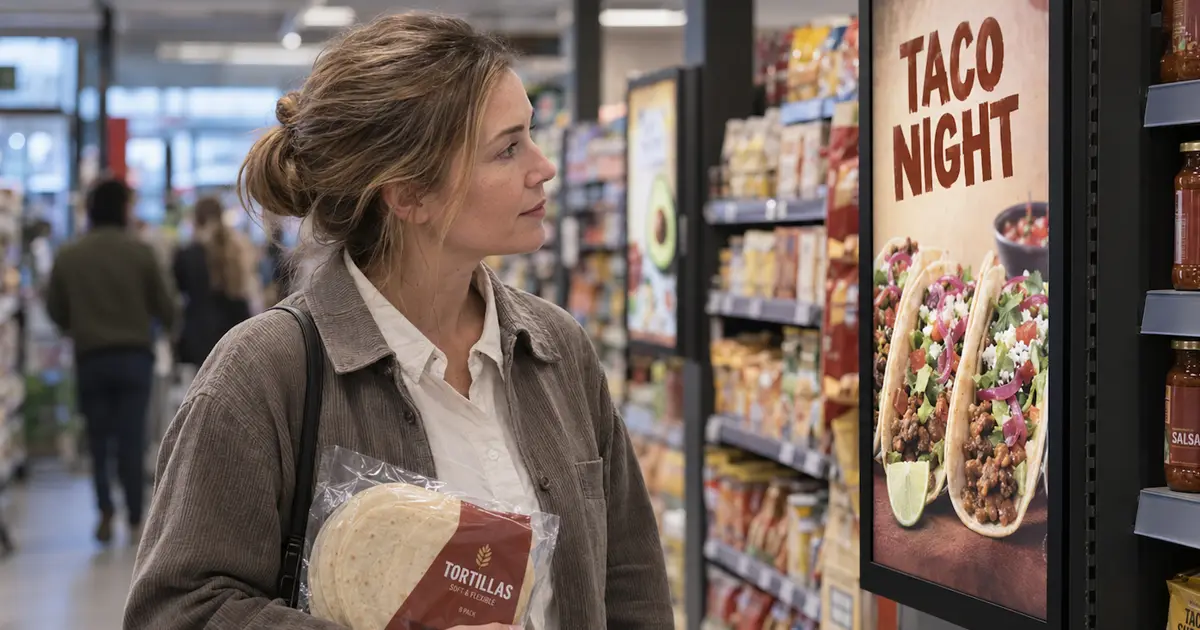
Imagine a brand selecting stores with strong demand in a particular product category, reaching shoppers at relevant times and measuring the results against actual sales. Even store location, department and time of day can provide valuable advertising context.
Turning these opportunities into scalable media products requires capabilities beyond traditional content management: connecting data, audiences, inventory, campaign activation and measurement.
It's one reason Craneworks' owners founded Doohlabs and developed In-Store IMPACT.
The commercial complexity isn't the problem. It's where much of the value lies.
But Someone Has to Deliver It
There's another complexity I believe is frequently underestimated, particularly by those approaching in-store retail media from advertising, e-commerce or media technology.
Operating large networks of physical screens.
Different hardware generations, operating systems, software versions, connectivity conditions and maintenance requirements. And when something goes wrong, there's a physical store involved.
A screen being online doesn't necessarily mean the right advertisement is being displayed.
The more sophisticated the media product, with campaigns targeting specific audiences, locations and time periods, the more demanding its delivery requirements become.
Selling the campaign is one thing. Making sure it actually runs, in the right place, at the right time, is another.
Reliable delivery also supports credible reporting, advertiser confidence and repeat business.
Advertisers should experience simplicity. But that requires a serious understanding of the complexity behind it.
The Cost of Waiting
Retailers constantly work to improve profitability through assortment optimisation, supplier negotiations, cost management and increased sales.
In store retail media offers something different: an additional revenue business built on assets and relationships they already have.
Not without investment, organisational change or risk. But successful retail media businesses have demonstrated that the potential is real.
Perhaps the question shouldn't only be what could go wrong if we invest, but what opportunities we lose if we don't.
Every year spent discussing the opportunity is another year without learning, building advertiser relationships or establishing a market position.
Doing nothing is also a strategic decision. And it comes with consequences.
That doesn't mean investing blindly. It means approaching retail media with clear commercial ambitions and realistic operational requirements.
A pilot can be a good start. But it should be the beginning of a business, not a substitute for deciding whether to build one.
Where Two Worlds Need to Meet
The digital signage industry knows how to build, operate and maintain large screen networks. But that doesn't necessarily mean understanding how to build a data-driven retail media business.
On the other side, retail media platforms, media companies and advertising specialists understand audiences, inventory and advertising. But many underestimate the operational complexity of delivering campaigns reliably across physical screen networks.
One side understands the infrastructure. The other understands the media business.
Neither is enough on its own.
To unlock the full potential of in-store retail media, these two worlds need to meet. Retailer first-party data, sellable audiences and media inventory must connect with reliable physical infrastructure and the expertise to operate it.
The commercial complexity creates the opportunity. The operational complexity determines whether we can deliver on it.
The real opportunity lies in bringing them together.
That's exactly what we'll explore in our upcoming In-Store Retail Media Guide series: bridging the commercial, technical and operational requirements of building a successful in-store retail media business.